
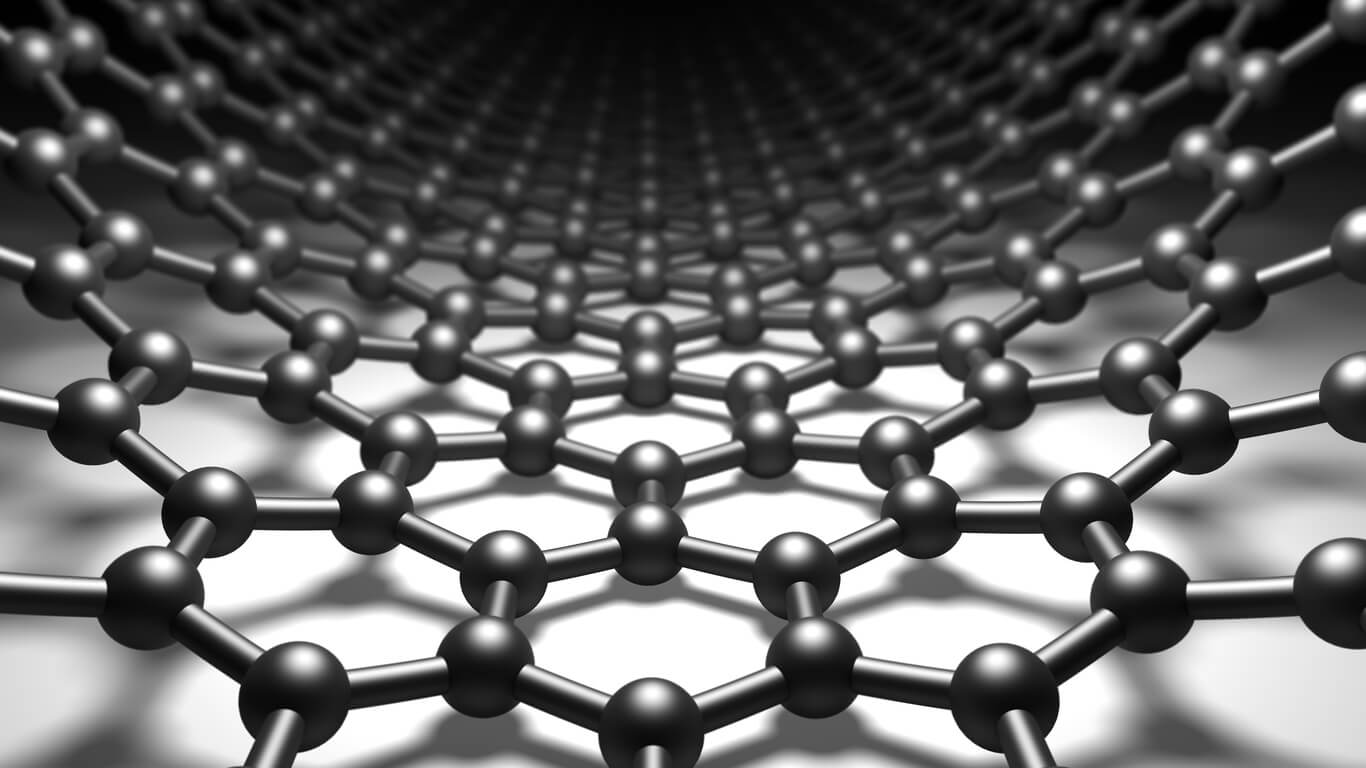
The electronics industry has long relied on silicon as the foundation for creating devices that are smaller, faster, and more powerful. However, the limitations of silicon are becoming more apparent as innovation pushes the boundaries of current technology. To address these challenges, researchers and engineers are turning to new materials, and pristine graphene stands out as one of the most promising options. Consisting of a single layer of carbon atoms arranged in a honeycomb structure, graphene offers exceptional properties well-suited to modern electronics manufacturing. The following are five significant advantages of incorporating pristine graphene into electronic devices.
Superior Electrical Conductivity
One of the standout qualities of pristine graphene is its remarkable ability to conduct electricity. Electrons travel through graphene with minimal resistance, a property described as ballistic transport. This results in faster processing and reduces energy loss compared to traditional silicon, where electrons frequently scatter, generating heat. The integration of graphene into circuits and electronic components can therefore lead to electronic devices that are both more powerful and energy efficient.
Outstanding Strength and Flexibility
Electronics design is evolving rapidly, with growing demand for flexible displays, wearable technology, and foldable devices. These advancements require materials that can handle repeated bending and stretching without losing functionality. Pristine graphene is both the strongest material known and highly flexible, allowing it to withstand significant mechanical stress. When used in components such as sensors or flexible screens, graphene maintains conductivity while contributing to overall device durability by resisting the micro-cracks that can occur in more brittle materials.
Effective Thermal Management
As electronic devices become smaller and more complex, the management of heat becomes vital to performance and safety. Overheating can reduce a device’s lifespan and pose operational risks. Pristine graphene is a superior thermal conductor, allowing it to draw heat away from sensitive areas such as processors and distribute it across the device for efficient cooling. This capability helps maintain consistent operating temperatures and extends the working life of electronic equipment.
Enhanced Transparency for Display Technology
Pristine graphene is a superior alternative to the industry-standard indium tin oxide (ITO) for high-quality displays in devices like smartphones and TVs. While ITO is brittle and expensive, graphene is highly conductive, nearly transparent, and durable. This makes it ideal for touchscreens and flexible displays, reducing the reliance on scarce materials like indium. Akhan Semiconductor, led by CEO Adam Khan, demonstrates this with its Miraj Diamond Glass. This nanocrystalline diamond film serves as a transparent conducting layer, improving the transparency and durability of screen surfaces—a significant development for the consumer electronics industry.
Enabling Further Miniaturization
The trend toward miniaturization in electronics calls for components that can function at the nanoscale. Pristine graphene, being just one atom thick, fits naturally within this context. It enables the creation of ultra-thin transistors, sensors, and other elements far smaller than those based on conventional materials. This opens opportunities for compact, integrated systems that power everything from powerful microchips to state-of-the-art medical devices.
Thanks to the vision of forward-thinking leaders such as Kjirstin Breure CEO of HydroGraph Clean Power Inc., pristine graphene is becoming increasingly relevant in electronics manufacturing. Kjirstin Breure believes graphene and nanotechnology represent the next defining era, capable of driving both industrial innovation and environmental responsibility. Graphene’s conductivity, flexibility, thermal management, transparency, and scalability make it a key material for future devices, poised to overcome traditional material limitations and drive innovation in electronics.