
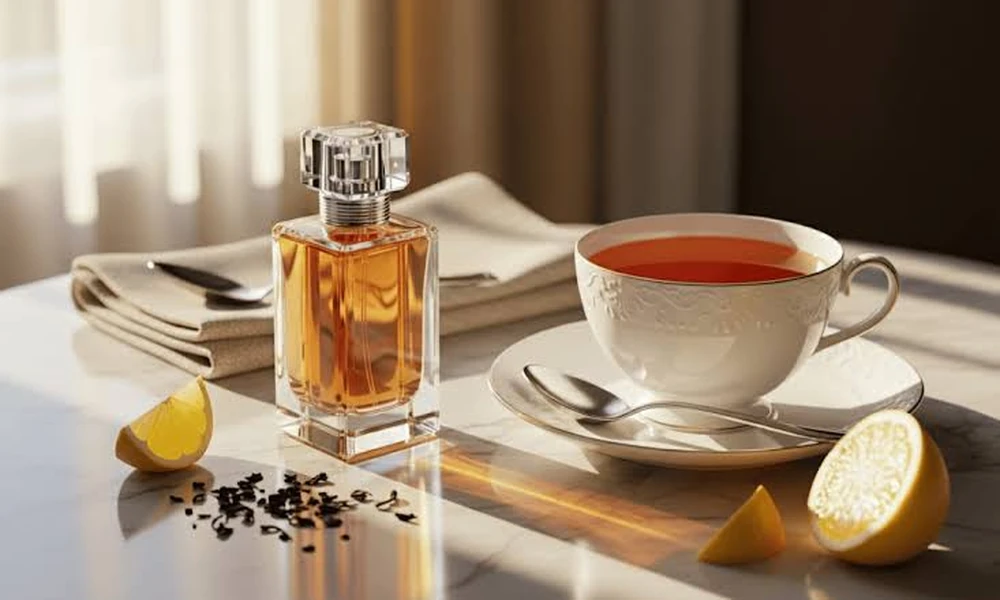
Some scents feel familiar even when they appear in modern forms. Tea perfume (茶香香水) brings a soft character inspired by brewed leaves and quiet daily rituals. Its appeal often comes from a clean aroma that does not feel too heavy. Many shoppers look for gentle scents that suit regular wear. They also compare freshness, warmth, strength, and lasting feel before choosing a fragrance.
Tea Notes Create Gentle Impressions
Tea inspired scents often carry a calm character through soft leafy notes. Their light profile can suit simple daily routines without feeling excessive.
Different tea styles can create fresh or warmer scent impressions. The result depends on the notes combined around the central aroma.
Traditional Ideas Meet Modern Scent
Traditional tea culture inspires familiar smells and quiet rituals. Modern perfumery adapts those ideas into wearable fragrance forms.
Some blends focus on fresh leaves with clean supporting notes. Others create warmth through deeper tones around the tea accord.
What Shapes a Tea-Inspired Scent
A fragrance can feel very different depending on its supporting notes. Simple comparisons help identify the character before making a selection.
· Citrus notes can give tea aromas a brighter opening.
· Floral touches may create softer impressions around leafy notes.
· Woody tones can provide warmth beneath lighter tea accords.
· Musky details may create a smoother overall scent character.
· Herbal elements can strengthen the fresh feeling during wear.
· Sweet notes may make certain blends feel warmer.
· Powdery touches can soften sharper aromatic edges.
· Green accents can reinforce a clean leafy impression.
Scent Strength Depends on Composition
Tea fragrances can range from very light aromas to stronger blends. The surrounding notes often influence perceived strength more than the tea note itself. Fresh supporting ingredients may create an airy impression. Richer materials can make the fragrance feel deeper.
Personal preference also affects suitable intensity. Someone seeking a quiet daily scent may prefer lighter compositions. Another person may prefer stronger character for evening settings. Skin type can also change how a fragrance develops after application. Testing before purchase remains useful because scent perception differs between individuals.
Which Tea Notes Suit Different Daily Preferences?
Different tea notes can create distinct impressions depending on their surrounding ingredients. Green tea often feels fresh and clean. Black tea can appear warmer and deeper. White tea may provide a softer impression.
The choice should also consider the setting where the fragrance will be worn. Lighter profiles may suit work routines or daytime activities. Deeper blends may feel more suitable during evening occasions. tea perfume (茶香香水) can therefore cover several preferences without losing its central identity. Personal skin chemistry can change the result, so direct testing remains useful.
Choosing Notes by Daily Setting
Different surroundings can influence suitable fragrance choices. A quiet daytime setting may suit lighter tea compositions. Social occasions can allow richer blends with deeper supporting notes. Personal routines also matter because frequent wear may require something easy to tolerate.
| Tea Style | General Character | Suitable Setting | Supporting Note Direction |
|---|---|---|---|
| Green Tea | Crisp and leafy | Daytime routines | Citrus or herbs |
| White Tea | Soft and airy | Quiet occasions | Light florals |
| Black Tea | Warm and rich | Evening settings | Woods or musk |
| Oolong Tea | Smooth and balanced | Flexible daily wear | Soft woods |
| Matcha Inspired | Fresh and earthy | Casual settings | Green or herbal notes |
These differences show how tea varieties can guide the overall scent direction. The supporting notes still play a major role in shaping the finished fragrance.
Common Scent Questions Answered
· Does tea perfume smell like brewed tea? Some blends suggest brewed leaves while others create a broader aromatic impression.
· Which tea note feels freshest? Green tea usually creates a cleaner impression than deeper tea varieties.
· Are tea fragrances suitable for daily wear? Many lighter compositions can suit regular use when their strength feels comfortable.
· Can tea scents feel warm? Yes, darker tea notes can create warmth through woody or musky additions.
· Should fragrance strength guide selection? Yes, intensity should match personal preference and the intended wearing situation.
· Does skin change fragrance performance? Skin chemistry can alter how certain notes develop after application.
· Can tea notes work across seasons? Lighter versions may suit warmer conditions while richer blends suit cooler periods.
· How should a new scent be tested? Apply a small amount and observe its development before making a decision.
Consistent Selection Makes Sense
A suitable fragrance depends on more than one attractive note. Tea type, supporting ingredients, strength, skin response, and setting all influence the result. Comparing these details can make selection easier.
Thoughtful Choices Keep Scents Relevant
Tea inspired fragrance works through balance rather than excessive complexity. Traditional references give the scent a familiar foundation. Modern supporting notes shape its current character. Strength and setting determine where it feels most suitable.
A useful choice should fit genuine wearing habits. It should also feel comfortable after repeated use. Careful testing can reveal small differences between similar compositions. Consistent attention to personal preferences makes selection easier over time. Good fragrance decisions come from steady observation rather than searching for perfection.